Ball bearings are the most widely used type of rolling bearing, designed to minimize friction and support both radial and axial loads. At Bearing Maker, we are a precision ball bearings manufacturer committed to reliability, efficiency, and durability in demanding industrial environments.
Types of Ball Bearings We Offer
Bearing Maker provides various ball bearing types to meet different technical and performance needs:
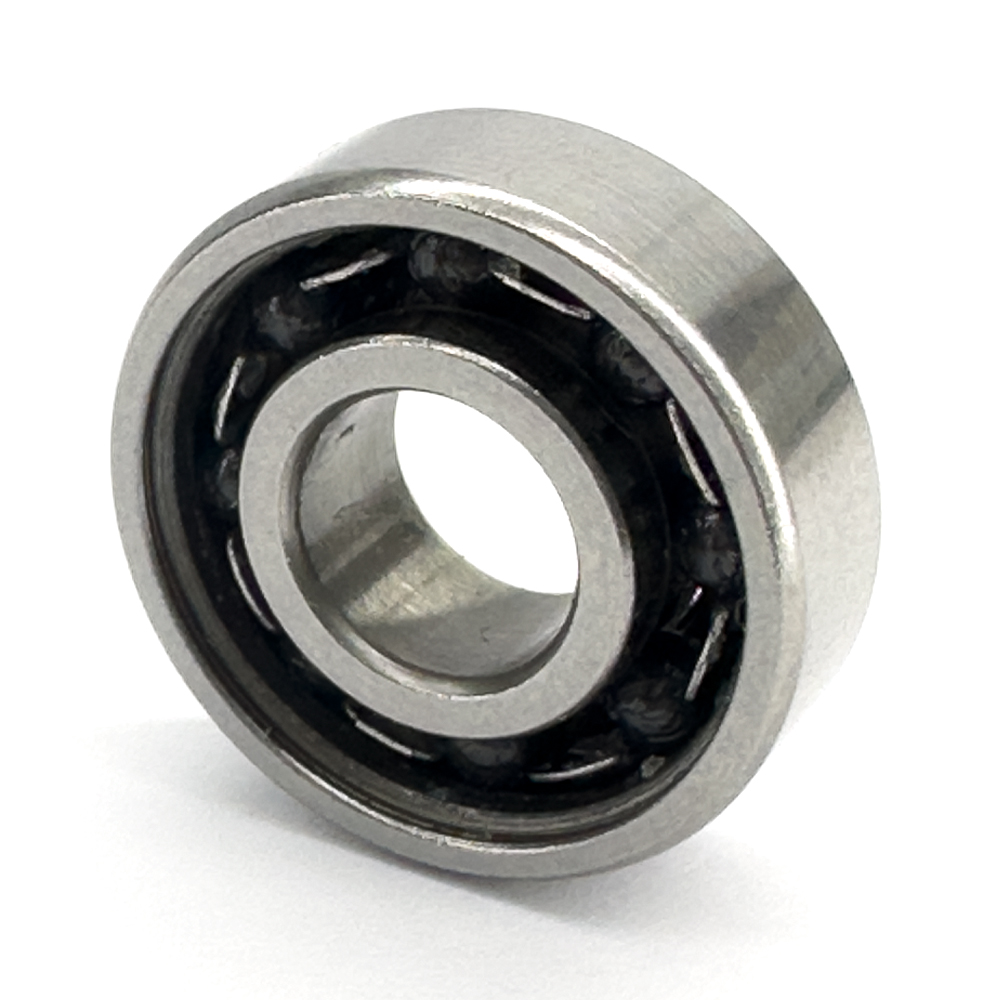
Miniature bearings are small-diameter precision bearings used where space is limited and smooth rotation is critical. Despite their compact size, they offer high accuracy, low noise, and long service life. Common applications include robotics, medical instruments, and precision instruments.
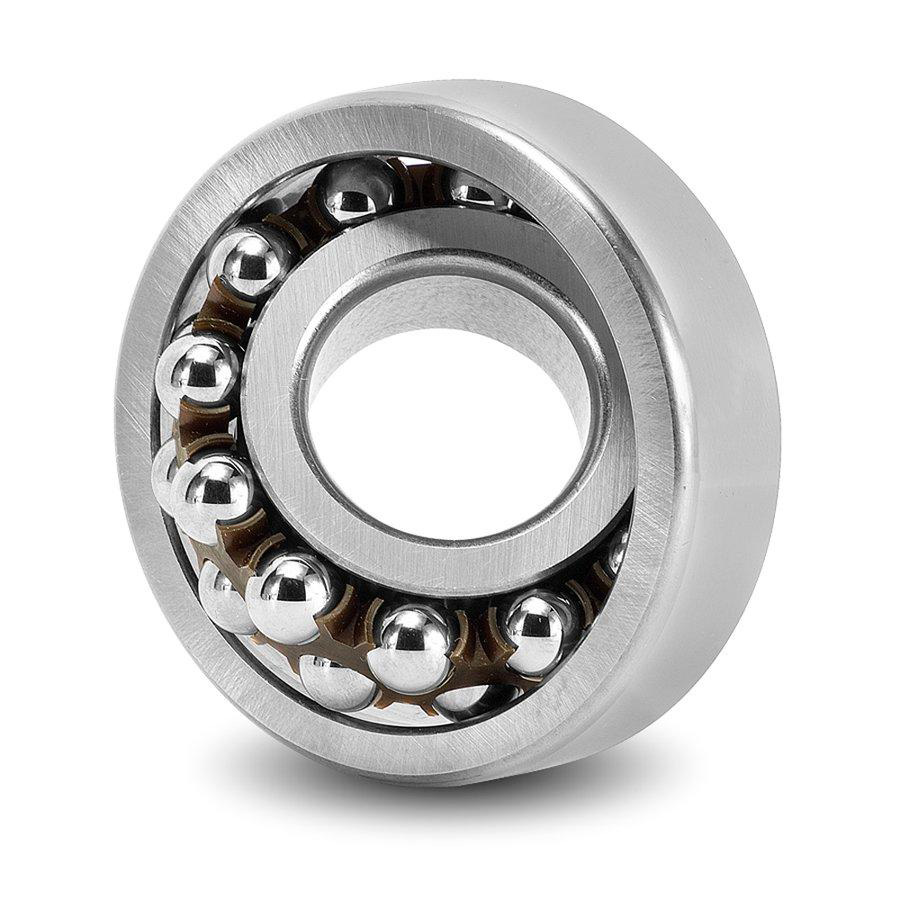
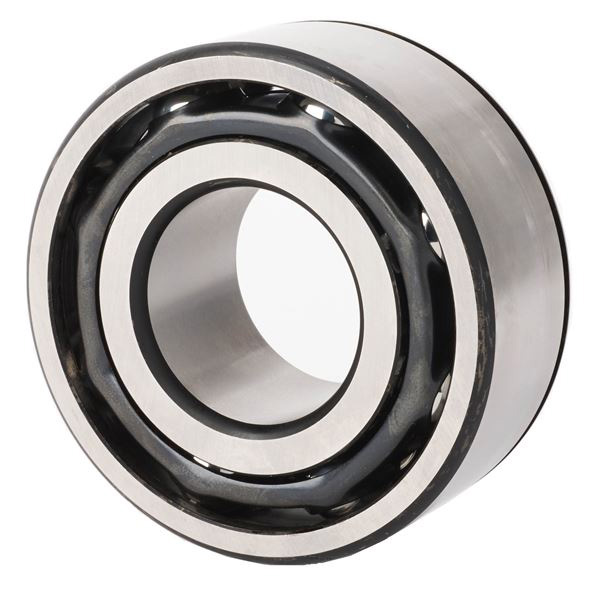
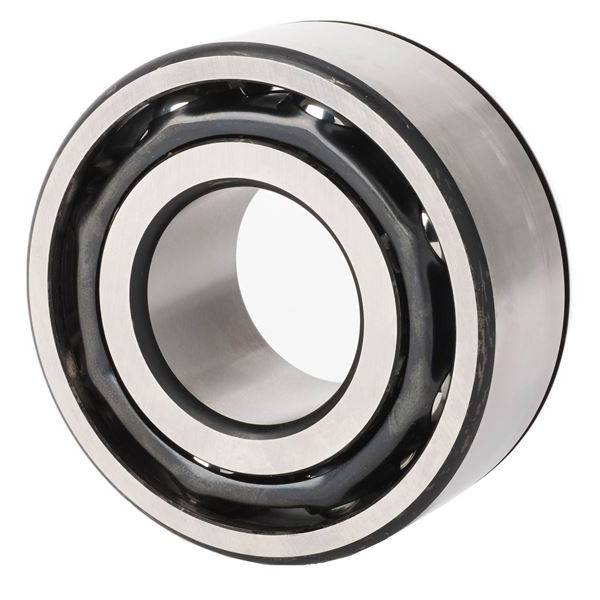
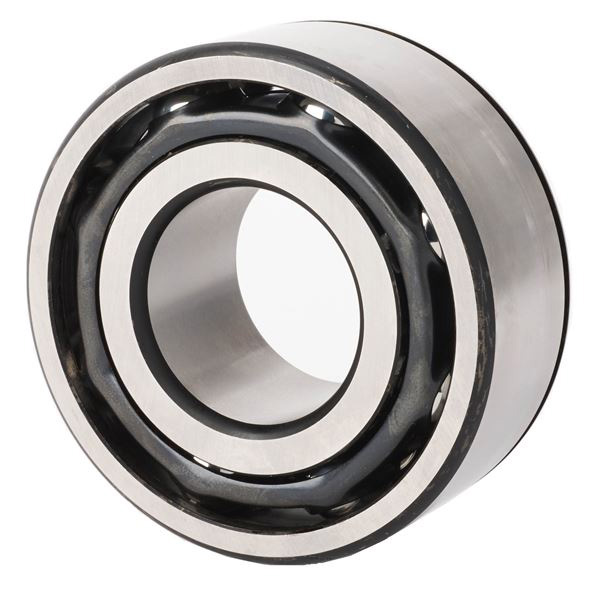
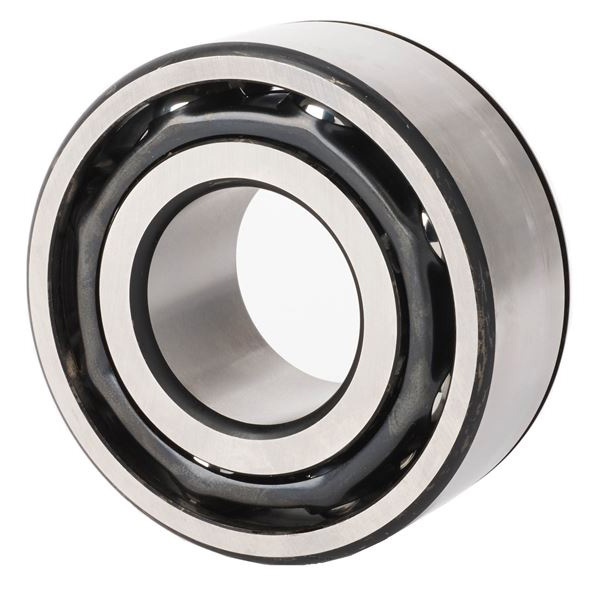
Self-aligning ball bearings feature two rows of balls and a common spherical raceway on the outer ring, allowing automatic adjustment for shaft misalignment. This reduces stress on components and extends service life. They are ideal for applications such as agricultural machinery, textile equipment, and conveyors.
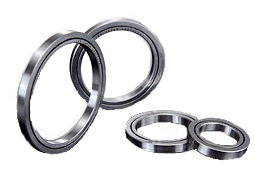
Thin section ball bearings are engineered for applications where space and weight are critical. Their small cross-section and high precision make them perfect for aerospace, robotics, and medical devices. Despite their compact size, they maintain excellent load capacity and smooth operation.
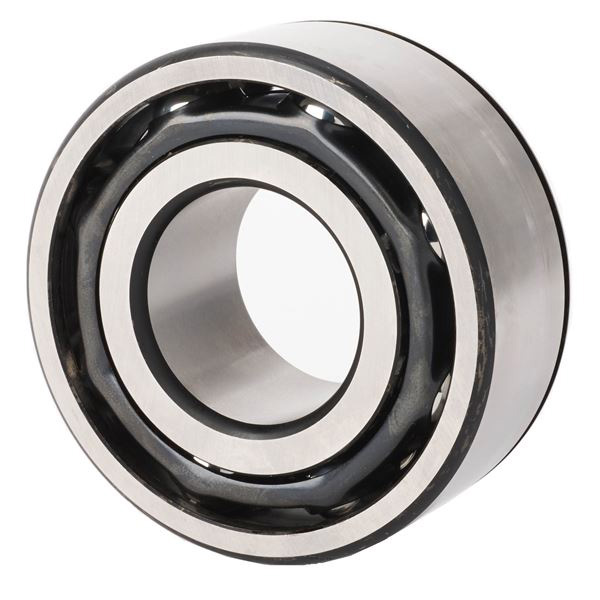
Angular contact ball bearings are designed to carry combined loads—both radial and axial—at the same time. The contact angle between the balls and raceways allows them to handle high-speed rotation with superior rigidity and precision. They are widely used in pumps, gearboxes, machine tools, and high-performance motors.
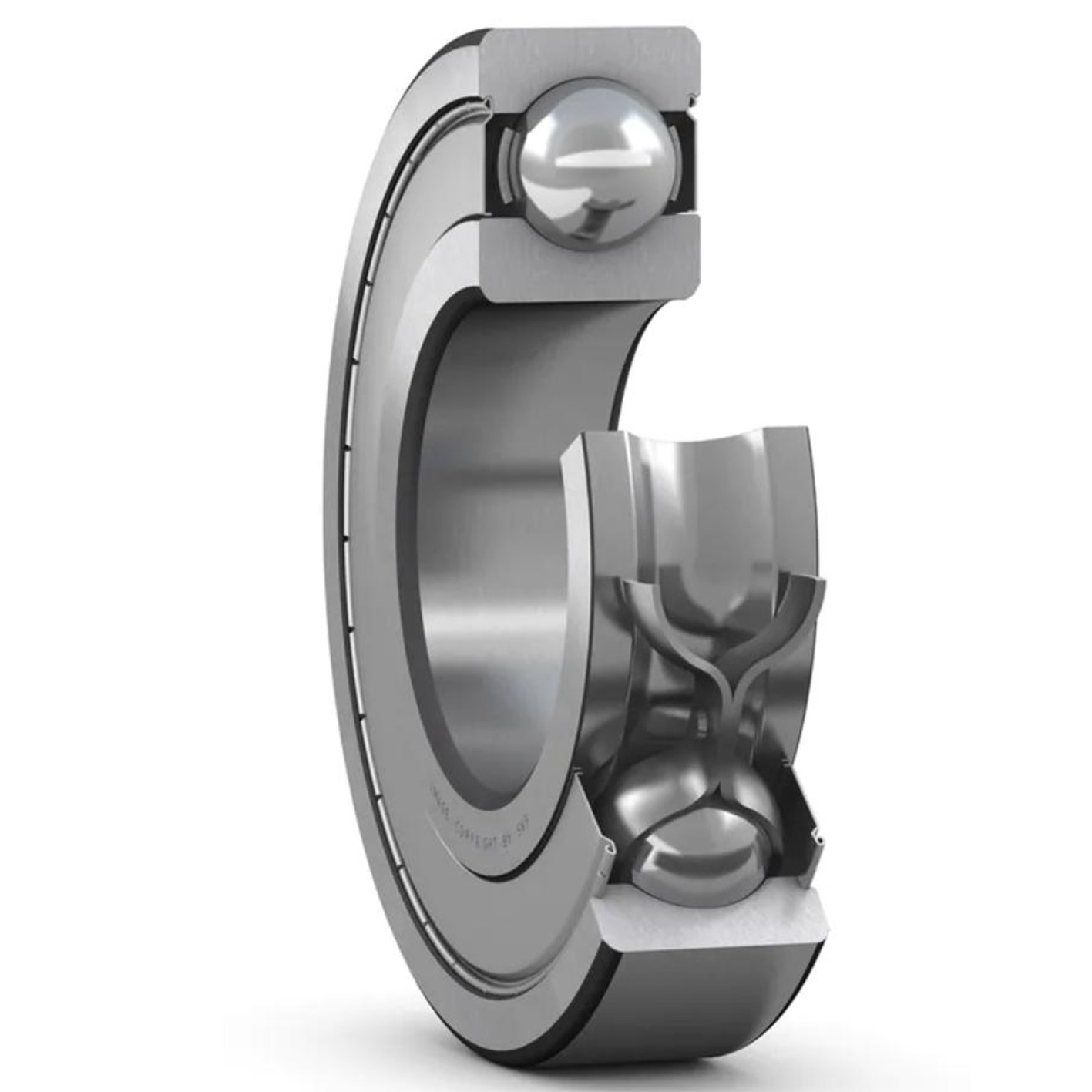
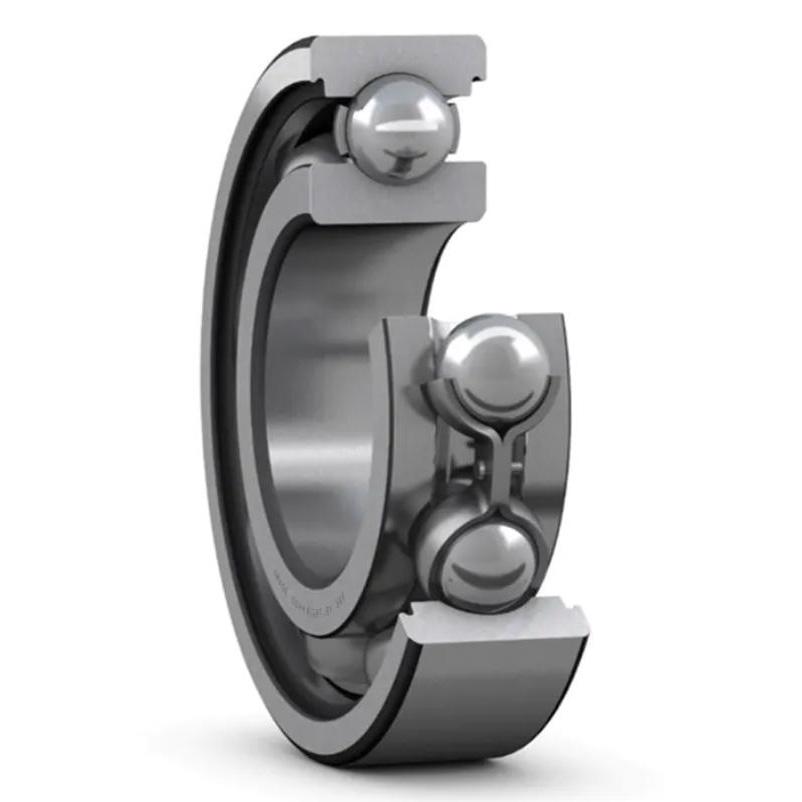
Deep groove ball bearings are the most common and versatile bearing type. Their simple structure and deep raceway design enable smooth, low-friction operation at high speeds. Ideal for applications such as electric motors, household appliances, and conveyors, they offer excellent performance with minimal maintenance.
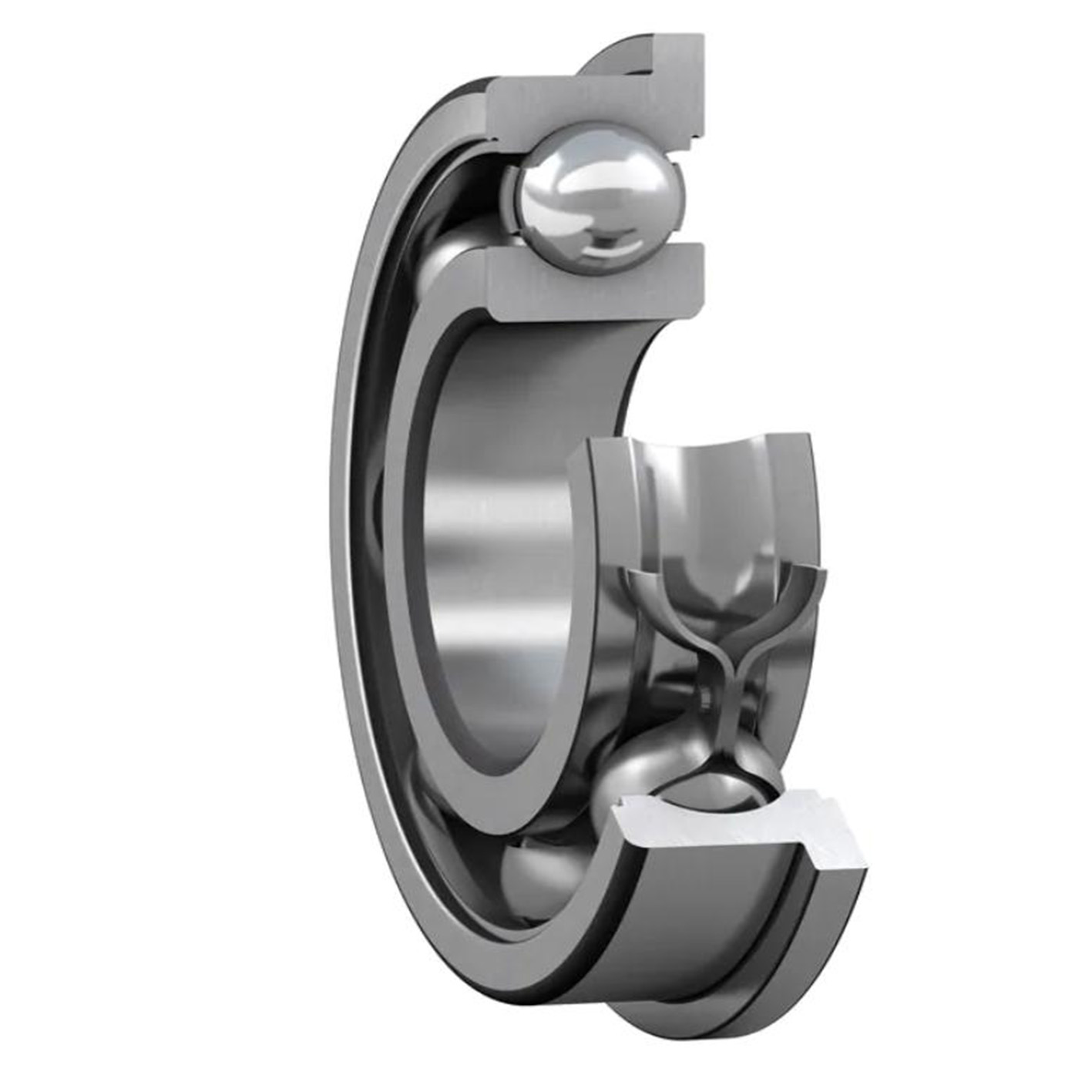
Flanged ball bearings feature an integrated flange on the outer ring, simplifying mounting and positioning in housings. This design helps prevent axial movement and ensures precise alignment. Commonly used in small machinery, stepper motors, and automation equipment where compact installation is required.
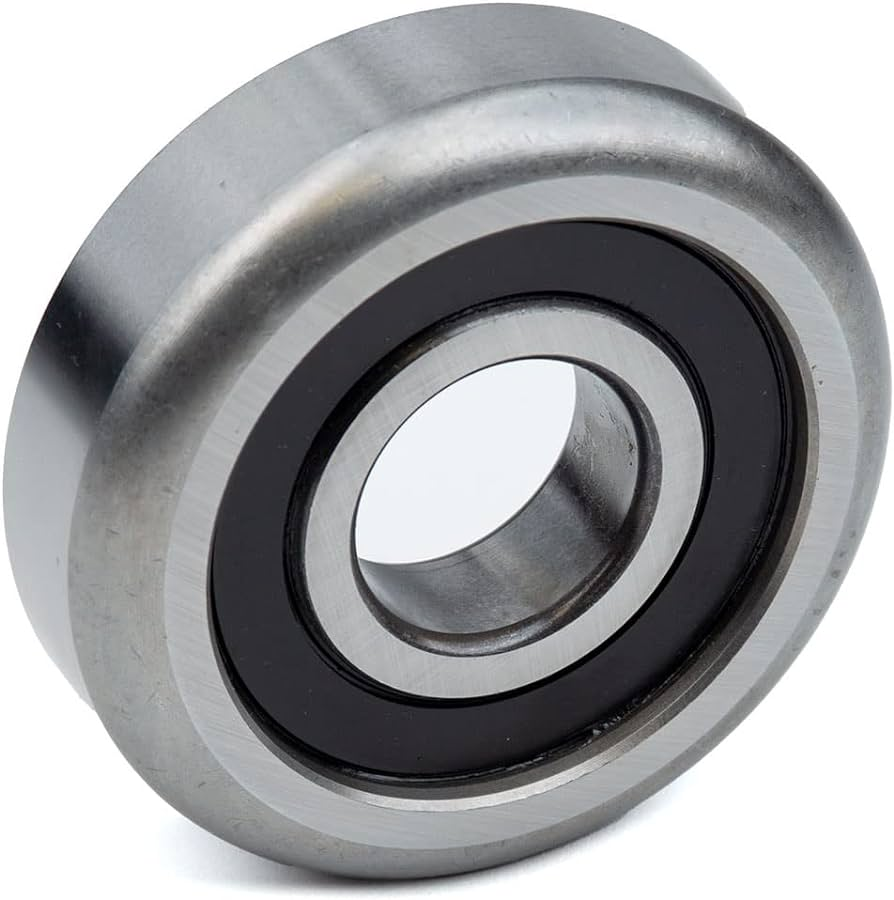
Mast guide bearings are specialized bearings designed for forklift masts and lifting mechanisms. They guide the mast sections smoothly while supporting heavy radial and shock loads. Their robust construction and high-strength materials provide excellent resistance to impact and wear in demanding material-handling environments.
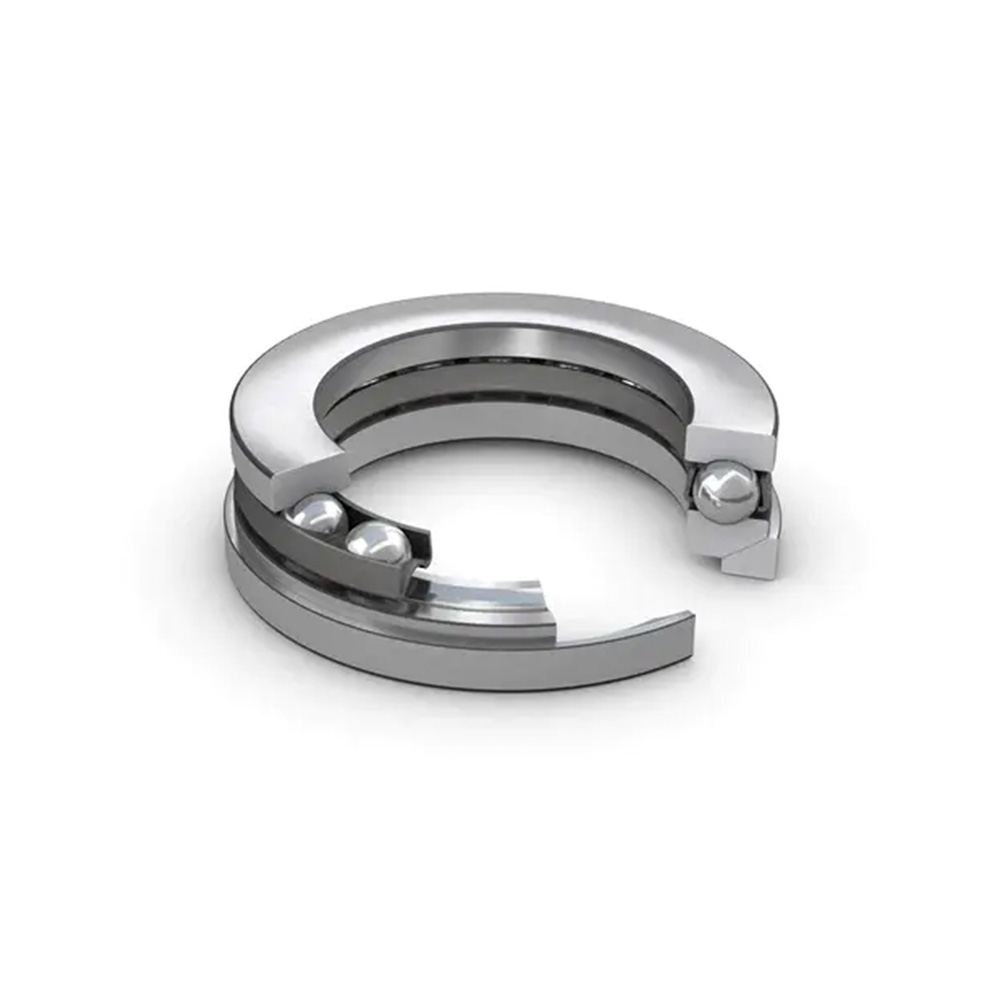
Thrust ball bearings are designed to handle axial loads in one or both directions, providing stable support for vertical shafts. They operate best at low to moderate speeds and are commonly found in automotive steering systems, machine tool spindles, and rotary tables.
ISO-Certified | OEM/ODM Services | Fast Global Shipping
Ball bearings are essential components in mechanical systems, designed to reduce friction and enable smooth, efficient motion between moving parts. This guide explains what ball bearings are, how they work, the main types, and their real-world applications—from automotive systems to aerospace and home appliances.
What Are Ball Bearings?
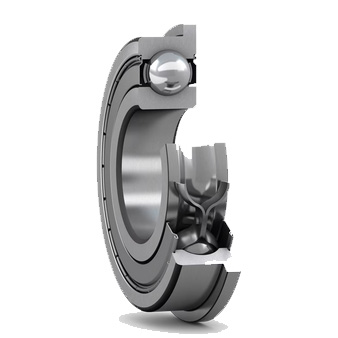
Ball bearings are precision-engineered mechanical components that reduce friction and support rotational or linear movement. They consist of small, hardened steel or ceramic balls held in place by a metal or polymer cage. These balls roll between two smooth surfaces—known as races—minimizing direct contact and thus reducing wear and energy loss.
How Do Ball Bearings Work?
Unlike sliding mechanisms that rely on surface friction, ball bearings use rolling motion to carry loads and enable smoother operation. When the bearing is in motion, the balls rotate between the inner and outer races, drastically lowering the coefficient of friction. This design allows for efficient energy transfer while minimizing heat buildup and material fatigue.
Ball bearings are capable of handling two types of mechanical loads:
Radial loads – perpendicular to the shaft
Axial (thrust) loads – parallel to the shaft
This versatility makes ball bearings a preferred choice across countless industries.
Types of Ball Bearings
There are several types of ball bearings, each engineered for specific load conditions and operating environments:
1. Deep Groove Ball Bearings
These are the most common type, known for their versatility. The deep grooves support both radial and axial loads. They are widely used in electric motors, household appliances, and industrial equipment.
2. Angular Contact Ball Bearings
Designed to accommodate higher axial loads in one direction. Their raceways are angled relative to the bearing axis, making them suitable for high-speed applications like pumps, gearboxes, and machine tools.
3. Thrust Ball Bearings
Specialized for pure axial loads, these bearings consist of a ball and cage assembly between two washers. Common applications include automotive steering and low-speed machinery.
4. Self-Aligning Ball Bearings
These have two rows of balls and a common spherical raceway in the outer ring, allowing them to correct for misalignment. Ideal for applications where shaft deflection or mounting errors are common.
5.Miniature Ball Bearings
Compact, lightweight, and precise—perfect for robotics, instruments, and medical devices.
Applications of Ball Bearings
Ball bearings are fundamental across many industries due to their ability to support both motion and load efficiently. Key application areas include:
Automotive: Used in wheels, transmissions, alternators, and engines to enhance performance and reliability.
Aerospace: Critical for reducing weight and maintaining precision in aircraft engines, landing gear, and control surfaces.
Industrial Machinery: Found in pumps, electric motors, conveyors, and gearboxes where performance and durability are essential.
Household Appliances: Integral to the operation of washing machines, dryers, vacuum cleaners, and fans by reducing noise and energy consumption.
Structure and Working Principle
A standard ball bearing consists of the following components:
Inner Ring: Mounted on the shaft and rotates with it.
Outer Ring: Fits into the housing and remains stationary.
Balls: Rolling elements that minimize friction between the rings.
Cage: Keeps the balls evenly spaced and guided.
Seals/Shields: Protect against dust, moisture, and other contaminants.
When the shaft rotates, the balls roll between the rings, efficiently transmitting loads with minimal friction. This transforms sliding friction into rolling friction—greatly improving mechanical efficiency and lifespan.
Performance Parameters
Bearing Clearance (C0–C5): Influences noise, vibration, and temperature behavior.
Load Rating (Cr, Cor): Defines dynamic and static load capacity.
Limiting Speed (RPM): Indicates the maximum safe rotational speed.
Friction Coefficient: Determines energy efficiency and heat generation.
Proper parameter selection ensures the bearing performs reliably in specific mechanical and environmental conditions.
Conclusion
Ball bearings play a pivotal role in modern engineering by reducing friction, supporting loads, and ensuring smooth motion in mechanical systems. From household appliances to aerospace technology, understanding the function and types of ball bearings can help engineers, designers, and buyers select the right bearing for their specific needs.