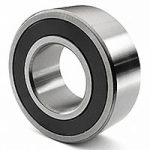
Stainless Steel Bearings
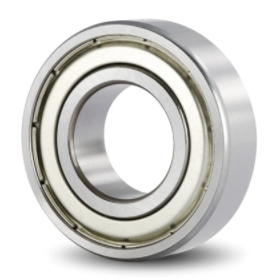
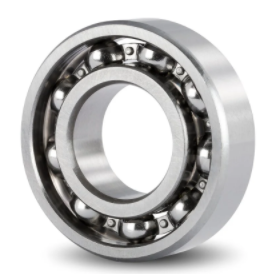
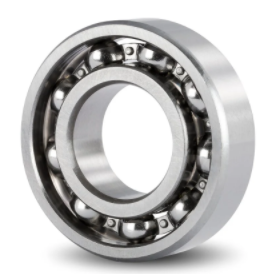
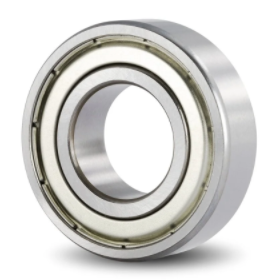
Stainless Steel Bearings are engineered for environments where corrosion resistance, hygiene, and durability are essential. Manufactured from high-grade stainless steel alloys like AISI 440C, 304, 316L, and 420, they offer reliable performance in applications ranging from food processing to marine and medical equipment.
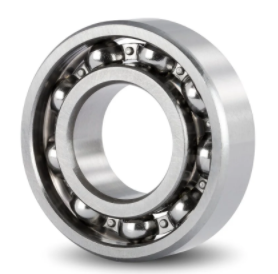
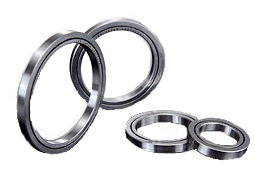
These bearings can handle both radial and unidirectional axial loads, suitable for high-speed applications such as pumps and machine tool spindles. Precision design ensures long service life and low friction.
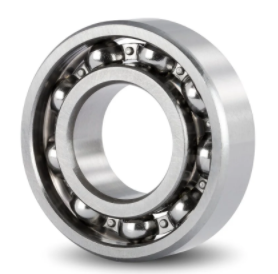
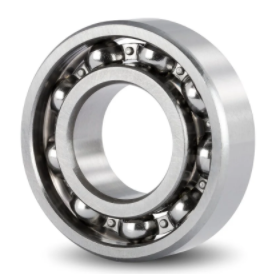
General-purpose stainless steel ball bearings are corrosion-resistant and wear-resistant, widely used in food processing equipment, automation machinery, and light industrial applications.
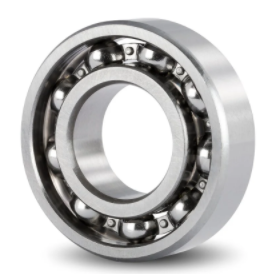
High-precision stainless steel balls can be used in custom bearing assemblies or mechanical components, ensuring smooth operation and lasting durability.
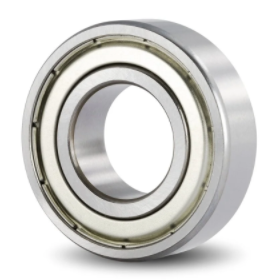
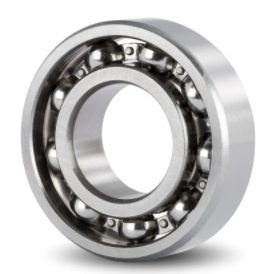
Flanged stainless steel ball bearings facilitate easy installation and are commonly applied in mechanical transmission systems, fans, and conveyor equipment.
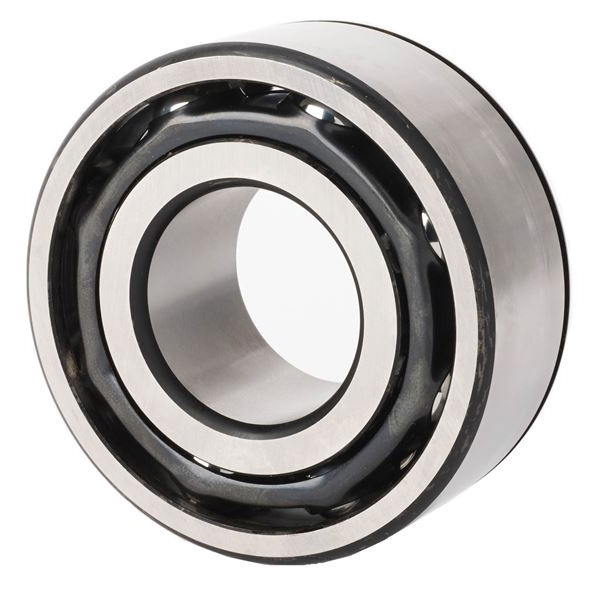
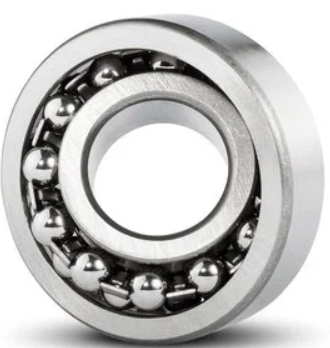
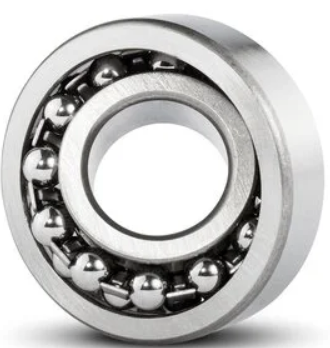
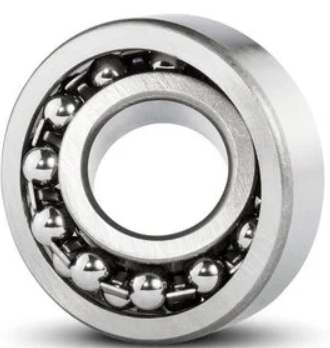
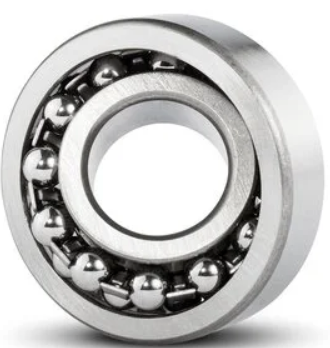
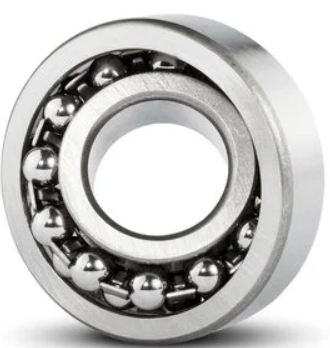
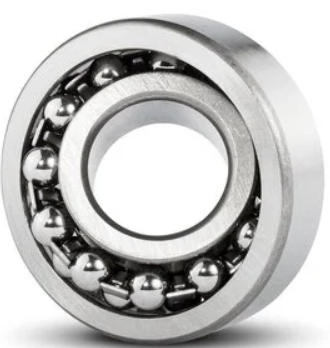
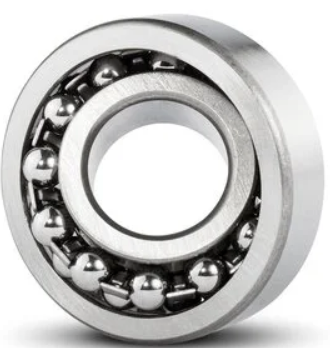
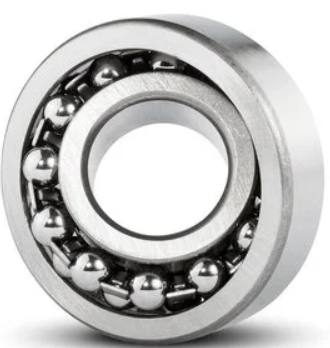
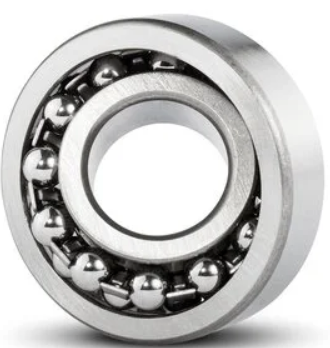
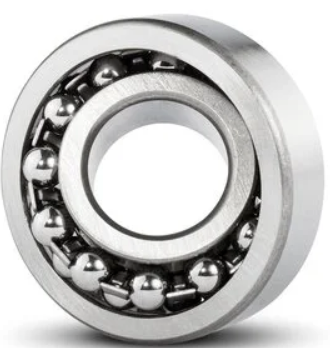
Self-aligning bearings compensate for shaft misalignment and can handle heavy loads under vibration, making them ideal for applications with shaft deflection or uneven loads.
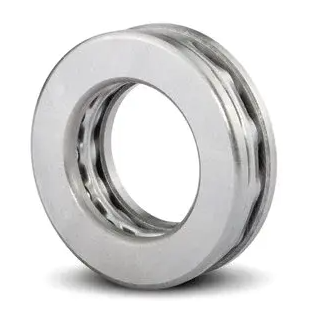
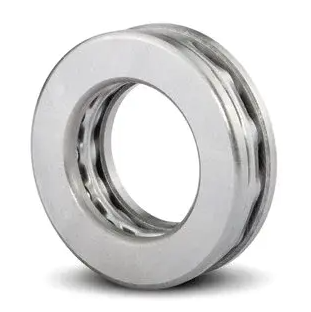
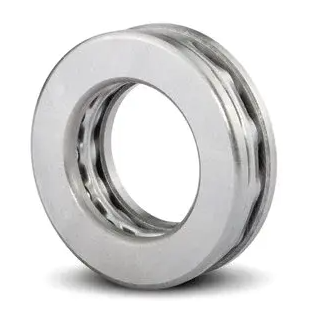
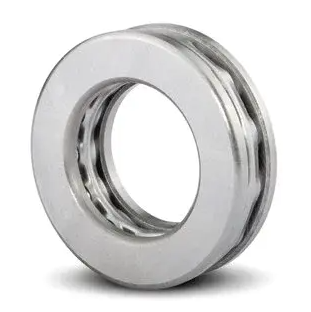
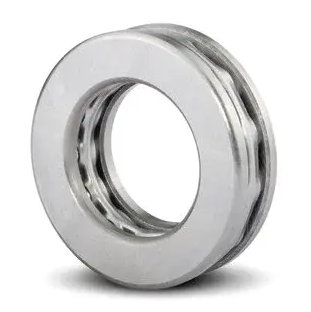
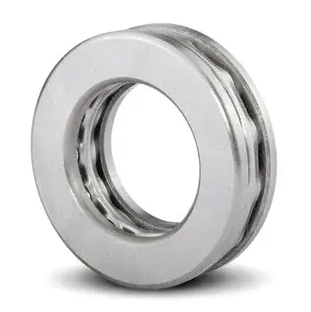
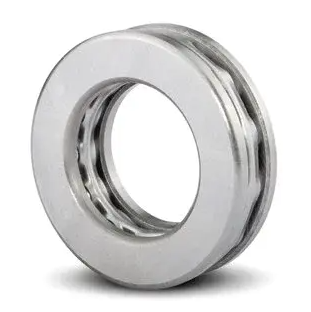
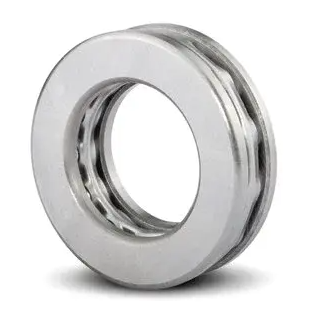
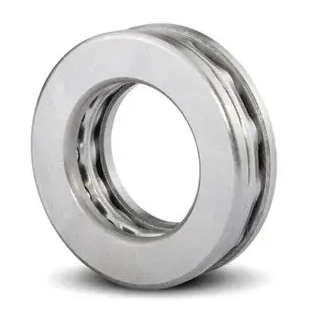
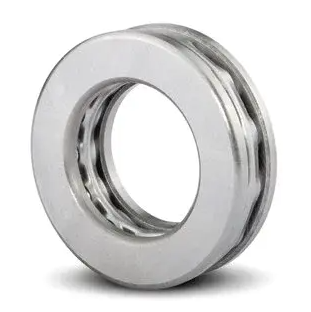
Designed specifically for axial loads, these bearings are commonly used in automotive, pumps, and industrial gear equipment, offering superior corrosion resistance.
What Are Stainless Steel Bearings?
Stainless steel bearings are precision components designed to minimize friction and support both radial and axial loads in harsh or corrosive environments. These bearings are made from stainless steel alloys that contain at least 10.5% chromium, which forms a passive oxide layer on the surface, providing excellent corrosion resistance. Their durability and low maintenance make them ideal for use in demanding industries.
Common Stainless Steel Materials
AISI 440C
This is the most widely used stainless steel for bearings. It offers high hardness, excellent wear resistance, and good corrosion resistance. It is ideal for applications that require strength and durability under both dry and lubricated conditions.
AISI 304
Austenitic stainless steel known for its excellent corrosion resistance and good formability. Although not as hard as AISI 440C, it is suitable for light-load applications in food and medical industries.
AISI 316L
Contains molybdenum for enhanced corrosion resistance, especially against chlorides and acidic environments. Preferred for marine, pharmaceutical, and chemical processing applications.
AISI 420
A martensitic stainless steel that can be hardened by heat treatment. Offers a good balance between corrosion resistance, hardness, and strength, making it suitable for medium-load applications.
Key Features
- Corrosion Resistance: Suitable for wet, humid, or chemically aggressive environments.
- Hygienic and Easy to Clean: Ideal for food, beverage, and medical equipment.
- High-Temperature Tolerance: Performs reliably in elevated temperature environments.
- Low Maintenance: Requires less frequent lubrication and cleaning compared to carbon steel bearings.
- Customizable Surface Treatments: Options like passivation can further improve corrosion resistance.
Typical Applications
Stainless steel bearings are commonly used in industries where standard bearings would fail due to moisture, chemicals, or temperature fluctuations.
- Food and Beverage Processing
- Medical and Laboratory Equipment
- Marine and Offshore Machinery
- Pharmaceutical and Cleanroom Systems
- Chemical Processing Plants
Passivation for Enhanced Performance
Passivation is a chemical treatment that removes surface contaminants and enhances the corrosion resistance of stainless steel. Many stainless steel bearings can be passivated to extend service life in especially aggressive environments.
Conclusion
- Stainless Steel Bearings provide long-lasting, low-maintenance solutions for applications where reliability under harsh conditions is critical. With multiple material options and corrosion-resistant finishes, they help ensure operational uptime across a wide range of industries. For best results, work with an experienced bearing supplier to match the material and design to your specific application requirements.
We are here to help
Have questions about our bearings or want to know more? Contact us today and speak with our experts – we’re ready to support your business.