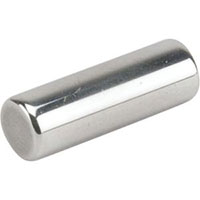

RN-2×15.8 BF/G2 Loose Needle Roller
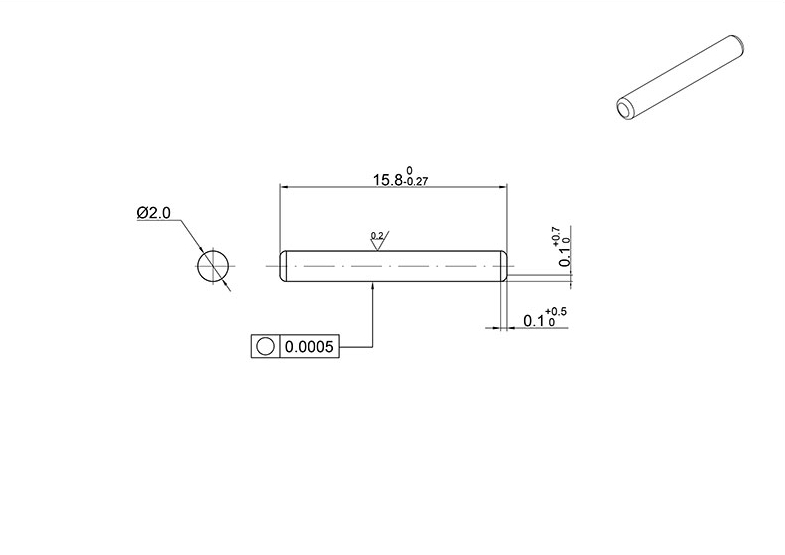
| Part Number | RN-2×15.8 BF/G2 |
| Brand: BearingMaker | Interchangeable With: Schaeffler (INA) |
| System of Measurement | Metric |
| Roller Bearing Type | Needle |
| Material | Chrome Steel |
| RoHS | Compliant |
| Roller Diameter | 2 mm |
| Roller Length | 15.8 mm |
| Rating | G2 |
| Length Tolerance | 0 to -0.27 mm |
| Hardness | HRC60-65 |
| Ends Type | Flat |
| Roundness | 0.5um |
| Rsmax Axial | 0.8 mm |
| Rsmax Radial | 0.6 mm |
| Rsmin | 0.1 mm |
| VDWL | 2um |
Why Choose Bearing Maker
- Fast Global Shipping
- OEM/ODM Services
- Technical support & design
- Quality Control
- Worldwide customer base
RN-2×15.8 BF/G2 is a loose needle roller component. Its selection starts with the interface it contributes to the mechanism. The separately specified mating members, their seating and the intended contact condition determine how that interface works after assembly. Keep the component designation with its dimensional and condition data when comparing alternatives; a similar nominal size is not enough to establish a replacement.
Component Role and Mating Contact
RN-2×15.8 BF/G2 is one loose needle roller, with no rings, retainer or enclosure included. Its slender geometry provides an individual rolling contact in a separately designed raceway system. Diameter governs the contact spacing, while length and end form influence guidance and the risk of end interference. The roller group, raceways and retaining arrangement must be specified together.
Uniformity within the roller group matters because a differently sized element can take a disproportionate share of contact reaction. Keep the stated grade, geometry and condition when defining grouping and assembly inspection. Retention and end guidance belong to the surrounding mechanism. The roller alone does not establish a bearing load rating, a permissible speed or the completed arrangement’s internal freedom.
Dimensions That Define the Interfaces
The principal dimensional entries identify System of Measurement: Metric, Roller Diameter: 2 mm, and Roller Length: 15.8 mm. Diameter and length govern different aspects of the roller contact. Relate diameter to raceway spacing and group uniformity, and length to available contact and end guidance. A roller with a similar diameter but a different length or end form cannot be accepted without checking those relationships.
Interface limits include Length Tolerance: 0 to -0.27 mm. Use each limit for the dimension named. Roller length tolerance and diameter grouping must be considered separately. The permitted end space is determined by the assembly, not by assigning a generic shaft fit. Maintain the intended group and inspect the mating surfaces so one roller does not contact an unintended shoulder or disturb contact sharing.
Material Roles and Geometric Condition
The stated component entries are Material: Chrome Steel. The material belongs to the loose roller, not to any separately supplied ring or retainer. Evaluate it against the mating raceway material and surface condition. The contact pair, lubricant film and alignment determine the working relationship; the roller alloy alone cannot establish the environment or capacity of a completed assembly.
Geometric and condition entries identify Rating: G2, Hardness: HRC60-65, Roundness: 0.5um, VDWL: 2um, and Ends Type: Flat. A grade, hardness or precision notation describes its stated component property, not the accuracy or capacity of the completed mechanism. Surface condition and the mating material affect contact stress and wear. Relate these details to alignment, lubricant film and cleanliness without assigning an unlisted material treatment or operating capability.
Ratings and the Operating Arrangement
Evaluate capacity through the complete mating contact system rather than assigning a load limit to this component alone. The working surface must remain correctly supported and aligned, with contact conditions established by the mating design. Load, speed and lubricant film interact in the completed arrangement. The component designation and nominal size cannot replace that operating assessment.
Establish the operating conditions for the completed arrangement before release. Lubricant selection, delivery and heat removal depend on the complete duty. Provide a route to the working contacts and account for contamination and retention through the surrounding design. Do not assign an enclosure or a replenishment interval from the component designation.
Backing, Edge Clearance and Assembly
Handle RN-2×15.8 BF/G2 so that its ends and contact surface remain free of dents, debris and mixed-size contamination. Use the grouping and retention practice required by the assembly design. End clearance must permit the intended motion without forcing skew, and the mating raceways must provide the guidance that is absent from a loose rolling element. The relevant interface entries are Rsmax Axial: 0.8 mm, Rsmax Radial: 0.6 mm, and Rsmin: 0.1 mm.
After assembly, check seating, alignment, the intended freedom of motion and lubricant access before applying normal duty. Preserve the individual contact and backing relationships when evaluating runout, heating or wear. Confirm that end guidance and retention remain effective through the intended motion. Clean handling and consistent grouping are part of the contact-system assessment, not a substitute for the required geometry.
Selecting the Component as Part of a System
The selection of RN-2×15.8 BF/G2 should resolve the roller group, opposing raceways and end guidance. This is the component’s useful engineering context, not a machine-specific approval. Compare the exact designation and interface condition before considering an alternative. Material roles, tolerances and any operating entries must remain connected to the same ordered component rather than borrowed from another member of the arrangement.
For procurement and assembly planning, retain the part specification with the confirmed mating designations and the dimensional requirements of the mechanism. Check support, lubricant access and the intended operating duty as a connected system. The value of this component lies in providing its particular interface correctly; similar nomenclature, a shared series or a matching nominal size cannot establish whole-bearing performance or exact interchangeability.