Angular Contact Ball Bearings
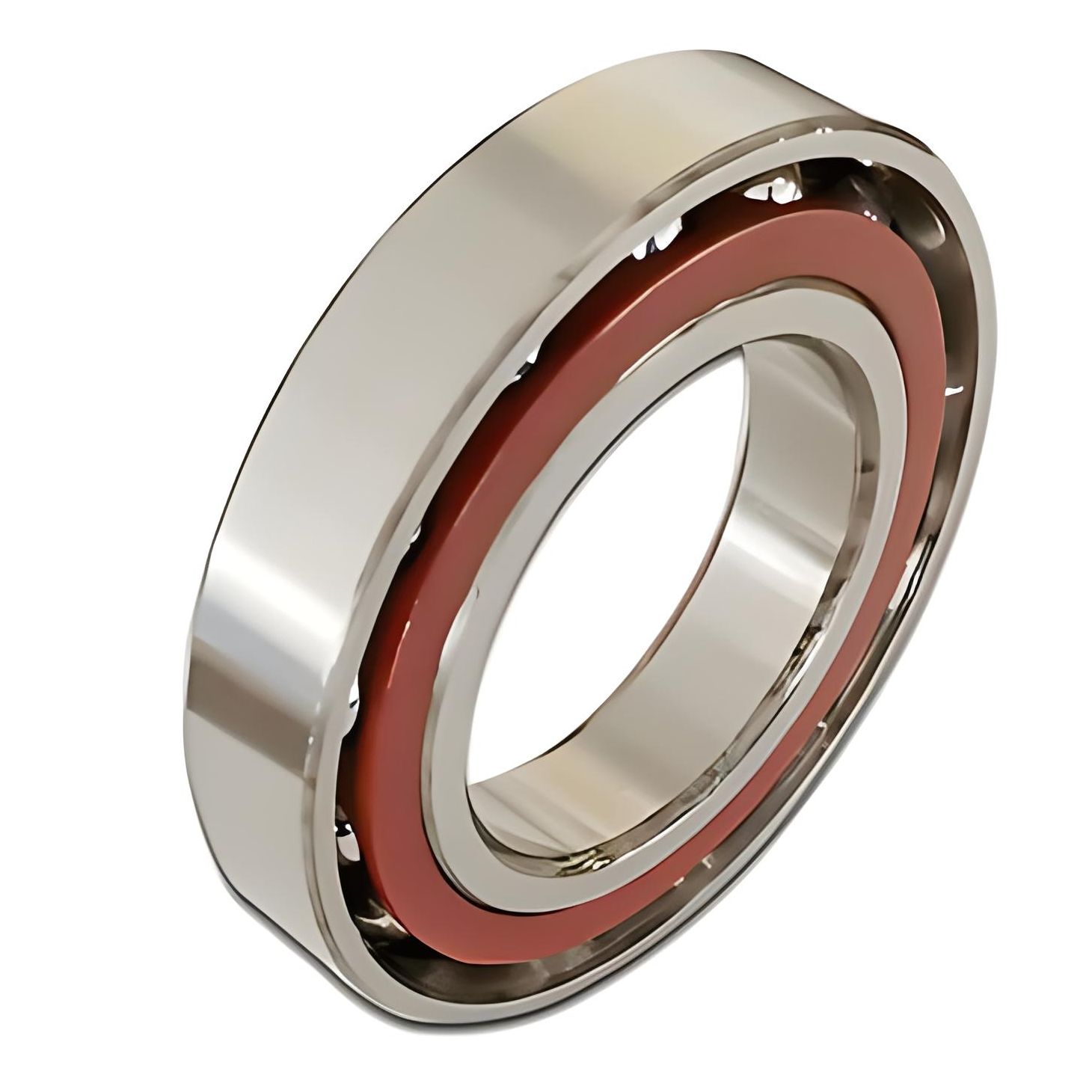
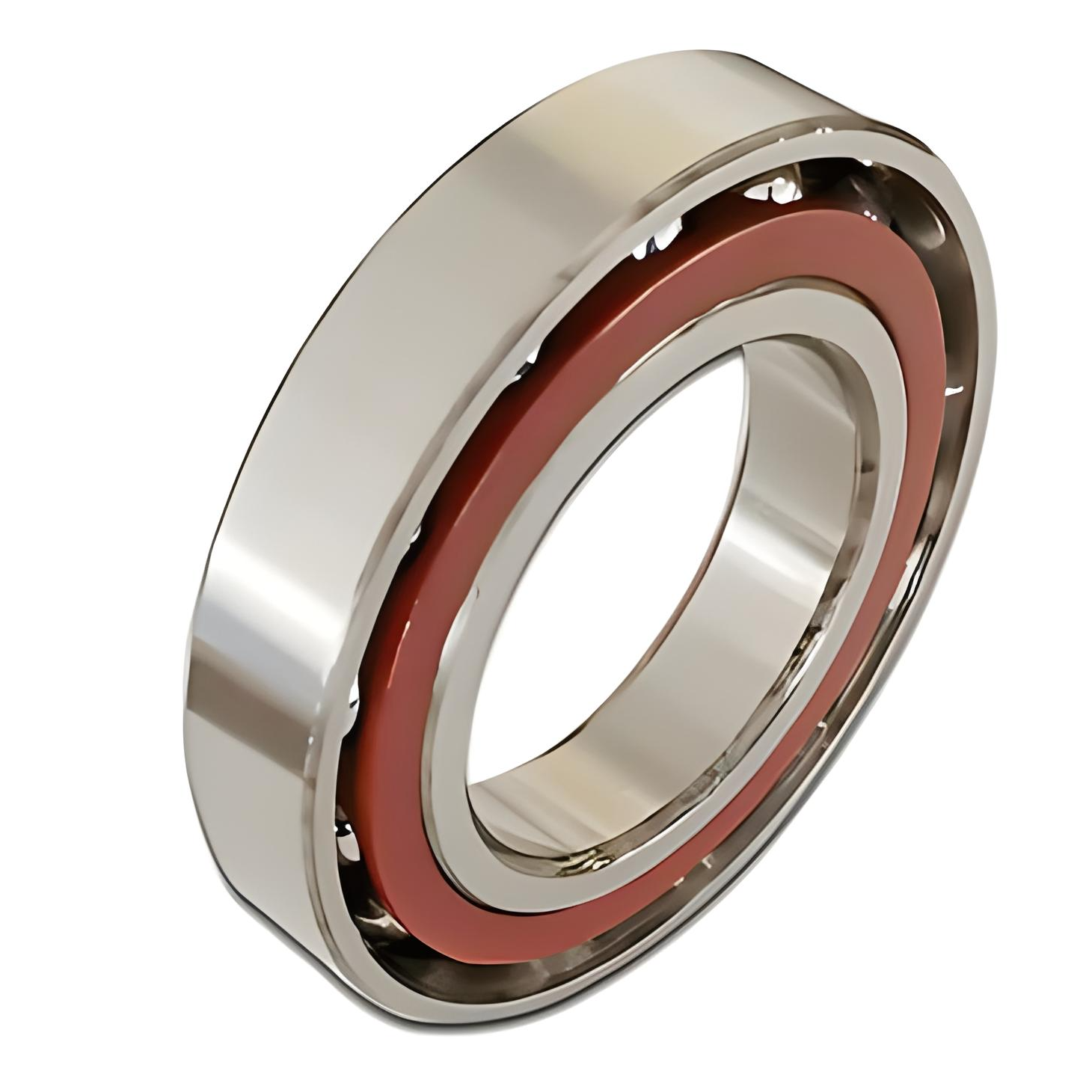
Angular Contact Ball Bearings are designed with offset raceways, enabling them to handle combined axial and radial loads efficiently. They are widely used in high-performance applications such as industrial pumps, electric motors, gearboxes, robotics, aerospace systems, and precision machinery due to their high-speed capability, precision accuracy, and load-bearing flexibility.
What Are Angular Contact Ball Bearings?
Angular contact ball bearings feature raceways on the inner and outer rings that are positioned relative to each other at an angle to the bearing axis. This unique configuration allows them to carry both radial and axial loads at the same time. The greater the contact angle, the higher the axial load-carrying capacity of the bearing.
Design and Structural Highlights
Contact Angle
The contact angle is defined as the angle between the line joining the ball and the raceway contact points in the radial plane and a line perpendicular to the bearing axis. It is a key factor in determining how much axial load a bearing can support.
Load Distribution
As the contact angle increases, the bearing’s ability to support axial loads also increases, making it ideal for applications with high thrust demands.
Cage and Sealing
Angular contact bearings often include a cage to maintain ball separation and smooth operation. Sealed variants offer enhanced protection from contaminants and are preferred for high-precision or demanding environments.
Advantages of Angular Contact Ball Bearings
- Combined Load Handling: Capable of managing axial and radial loads simultaneously.
- High-Speed Performance: Suitable for applications requiring stable, high-speed rotation.
- Precision and Accuracy: Ideal for high-precision applications such as CNC spindles and robotic joints.
- Adjustable Contact Angle: Allows customization based on specific application loads.
- Low Friction: Reduced heat generation increases efficiency and extends service life.
Types of Angular Contact Ball Bearings
| Type | Load Handling | Key Features | Speed | Precision | Applications |
|---|---|---|---|---|---|
| Single Row Angular Contact | Axial (one direction), Radial | Compact, non-separable | Moderate to High | Standard to High | Pumps, Compressors, Machine Tools |
| Double Row Angular Contact | Axial (both directions), High Radial | Self-retaining, angular rigidity | Moderate | Standard to High | Wheel Hubs, Industrial Machinery |
| Four-Point Contact | Axial (both directions), Radial | Replaces 2 single-row bearings | High | High to Super-Precision | Robotics, Aerospace, Turntables |
| Angular Contact Thrust | High Axial, Moderate Radial | High axial rigidity | Very High | High to Super-Precision | Spindles, Axial Fans, Jet Engines |
| Super Precision Angular Contact | High-Speed Axial & Radial | Ultra-low friction, tight tolerance | Extremely High | Super-Precision | Aerospace, Medical, CNC Spindles |
Understanding Spindle Bearings
Spindle bearings are a specialized class of angular contact ball bearings tailored for ultra-high precision and speed:
- Superior Precision: Manufactured to exacting standards, ideal for applications like CNC and grinding spindles.
- High-Speed Capability: Designed to sustain exceptionally high rotational speeds with stability.
- Axial Load Focus: Optimized for high axial loads, which is common in spindle-driven operations.
- Advanced Materials: Often incorporate ceramic balls or hybrid designs to reduce friction and heat buildup.
- Application-Specific Design: Common in aerospace, medical devices, and ultra-precise machine tools.
Conclusion
Angular Contact Ball Bearings provide a balanced, high-performance solution for managing complex load combinations in demanding environments. Whether for heavy-duty machinery or high-precision equipment, these bearings offer flexibility, speed, and durability, making them a vital component in modern engineering applications.